Narrative AI Video Editor: plan a focused reference edit
Explore Narrative AI Video Editor and prepare a short reference-driven video variation in H3Max. Choose a useful source moment, describe the visible change and review the supported controls. Use your regular editor to assemble the selected result with interview audio, captions and the rest of your story.
Video workspace
A beige sweater beside the window
18/30View prompt
Use @Video 1, showing an adult woman drinking from a cup beside a window. Change her clothing to a beige knitted sweater with believable folds and soft fabric texture. Aim to retain her appearance, cup, drinking action, camera position, and window lighting. Create a five-second revision with the same setting and no additional props or scene changes.
Introduction
What is Narrative AI Video Editor?
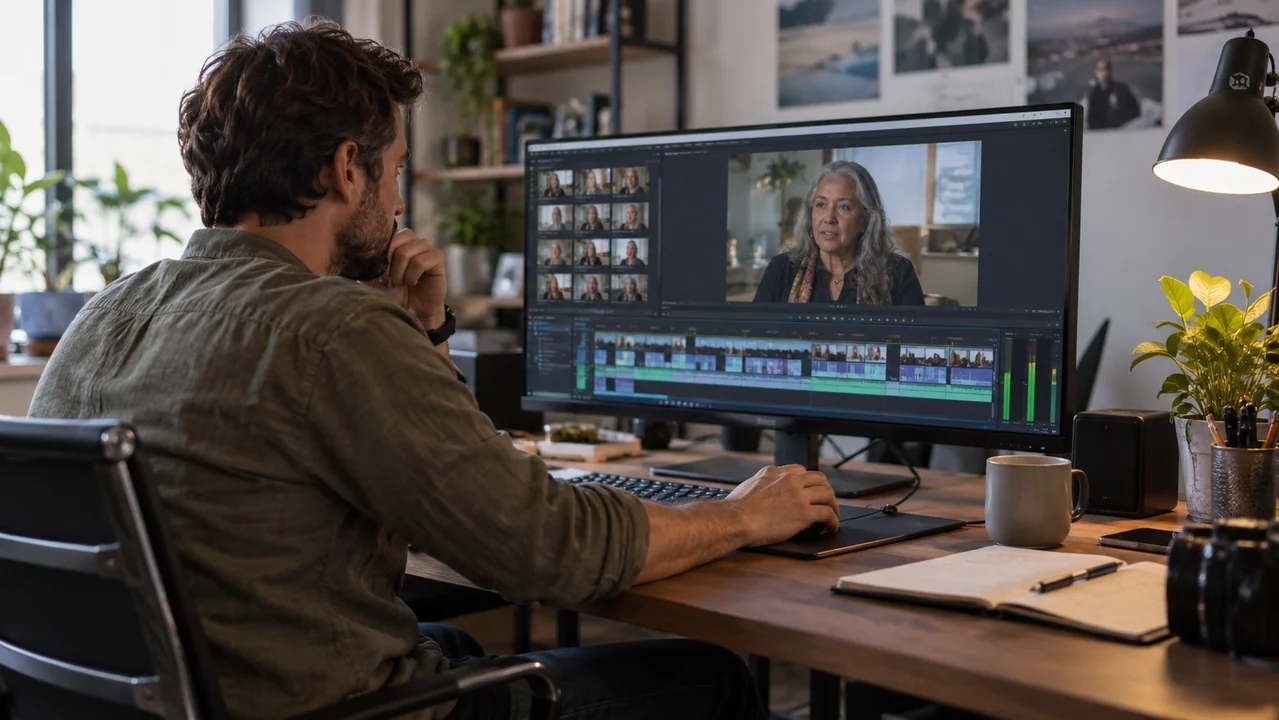
Narrative AI Video Editor refers to Narrative’s AI-assisted editing product. Its official site presents conversational editing of footage with a timeline, including rough cuts and revisions.
Understand the editing intent
Narrative AI Video Editor is relevant when you already have footage and want help deciding how to cut it into a story. That task differs from inventing a new shot from text.
Recognize the workflow provided here
This Narrative AI Video Editor page opens H3Max’s supported short-video reference workflow. It can prepare a generative variation from a compatible uploaded clip. It does not connect Narrative accounts, import timeline projects or provide its conversational editing application.
Choose a small source moment
For Narrative AI Video Editor planning here, begin with one short, readable source clip. An interview reaction, a pottery demonstration or a quiet establishing shot gives you a clear baseline.
How to use
How to use Narrative AI Video Editor
- STEP 1
Choose a short source
Select a Narrative AI Video Editor reference with a clear subject and action, then check the selected model’s upload requirements before preparing it.
- STEP 2
Describe the visible change
Write your Narrative AI Video Editor brief around one variation and the source details you want to retain, using concrete directions rather than slogans.
- STEP 3
Review and submit
Upload the Narrative AI Video Editor reference, confirm supported output settings and the displayed quote, then sign in and deliberately press Create.
- STEP 4
Compare and finish
Play your Narrative AI Video Editor variation completely, compare it with the source and download the selected clip for final assembly in your editor.

Features
Define the Narrative AI Video Editor change
A Narrative AI Video Editor brief should distinguish the source material from the requested variation. Explain which visible details matter and which part of the shot you want to change.
State one specific edit
For Narrative AI Video Editor research, translate broad requests such as make it better into one visual change. You might want a warmer studio atmosphere, a more restrained camera movement or a different background for a short demonstration.
Describe what should remain readable
A Narrative AI Video Editor reference prompt can ask for the main action, subject placement and important objects to remain recognizable. Those instructions guide generation rather than guaranteeing pixel-preserving editing.
Keep editorial decisions outside the prompt
Narrative AI Video Editor users may need precise cut points, transcript-based selections and versioned timeline changes. The H3Max reference workflow shown here does not perform those operations.
Select Narrative AI Video Editor reference footage
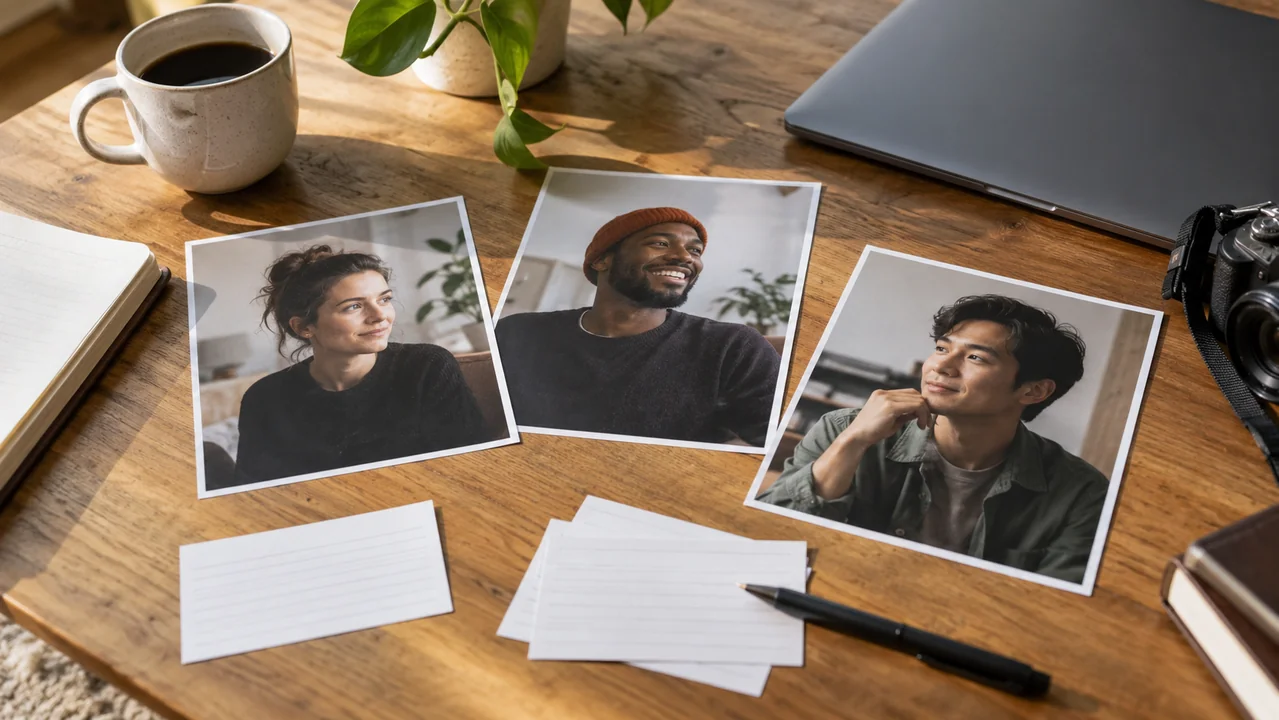
Narrative AI Video Editor planning benefits from a clean source. Select a moment with a visible subject and an understandable action before asking a model to reinterpret it.
Choose footage with a clear subject
For a Narrative AI Video Editor reference, a medium shot of a ceramic artist at work is easier to describe than a montage with rapid cuts. Keep the subject visible through the useful action.
Check the upload requirements
Before using Narrative AI Video Editor footage here, inspect the selected model’s reference requirements in the workspace. The accepted file type, duration and other limits belong to that model. Trim or prepare a compatible source in your editor when necessary.
Keep the original available
Preserve the source file alongside your Narrative AI Video Editor draft. The generated clip is a new asset, so compare it with the original rather than replacing your only copy.

Review Narrative AI Video Editor motion
Narrative AI Video Editor reference work needs a full playback check. Compare the requested variation with the source’s action, timing and composition rather than judging only the preview poster.
Follow the main action
Play Narrative AI Video Editor source footage and the generated take from beginning to end. Watch the movement you wanted to retain: a hand shaping clay, a speaker turning toward an interviewer or a camera revealing the room. Check whether the change distracts from that action or makes it less understandable.
Inspect faces and hands
For Narrative AI Video Editor clips with people, examine faces and hands through movement and partial occlusion. A convincing opening can become less consistent during a turn or gesture. If the variation changes the subject too much, simplify the prompt, choose a clearer reference or keep the original shot for the final edit.
Revise the visible problem
A useful Narrative AI Video Editor revision responds to an observed issue. Ask for a steadier background when scenery drifts, or a restrained change when the action becomes exaggerated. Keep the successful instructions intact. This lets you judge whether the next take addresses the problem without changing the entire shot’s purpose.
Finish Narrative AI Video Editor footage
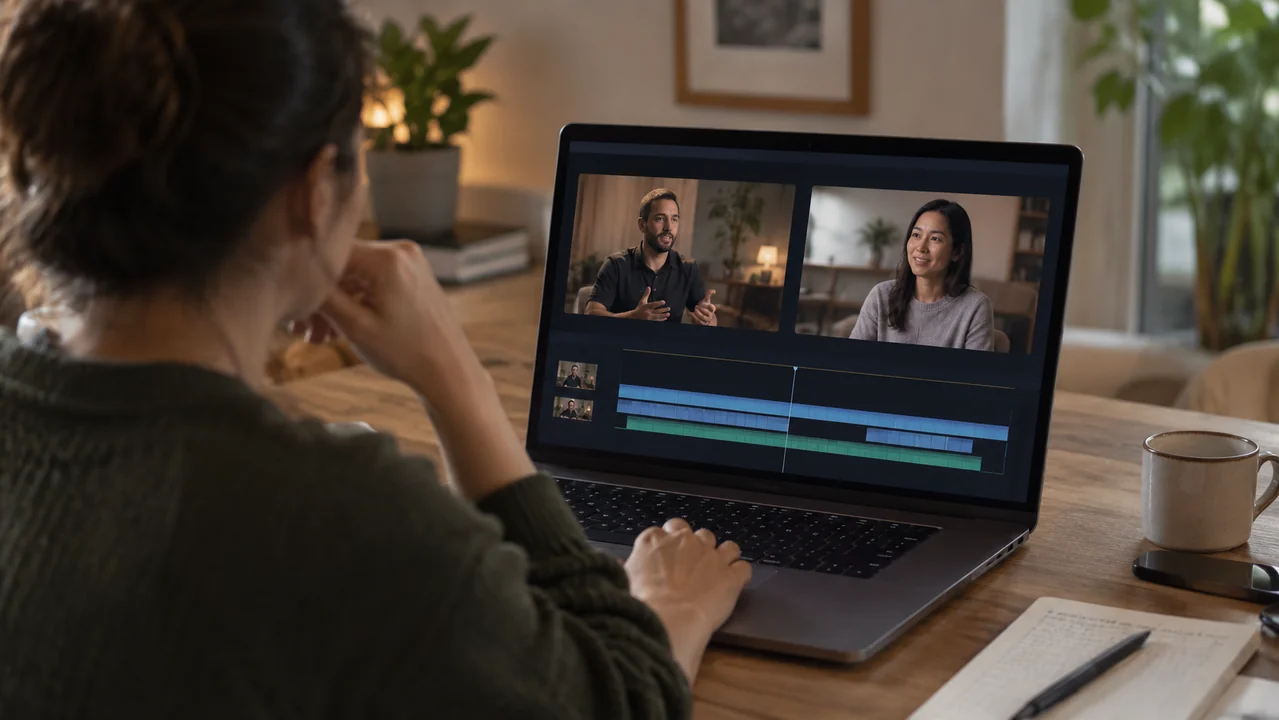
Narrative AI Video Editor searches often concern a finished story rather than a single generated asset. Plan how the selected variation will fit into your actual editing workflow.
Choose the output composition
For Narrative AI Video Editor work, consider whether the variation will sit inside a landscape interview, a vertical social post or a square teaser. Choose a supported output ratio and inspect subject placement. Reframing can alter composition, so leave enough room for the face, hands and objects that explain the shot.
Separate audio from visual changes
Listen to any audio produced for a Narrative AI Video Editor variation and compare it with the source. Exact dialogue preservation and synchronization are not guaranteed by a generative reference. Keep the original interview audio available, and use an editor when you need precise speech timing, music levels or caption alignment.
Assemble with real editorial controls
Take selected Narrative AI Video Editor footage into your editor for trimming, ordering, captions and final exports. Choose cut points based on the story and recorded speech. The H3Max workspace provides a short generative clip workflow, so it should complement rather than stand in for the timeline controls your final project requires.

Evaluate Narrative AI Video Editor variations
Narrative AI Video Editor decisions should follow a simple acceptance brief. Check the requested change, the source details that still matter and the variation’s usefulness inside the finished sequence.
Compare the requested outcome
When reviewing Narrative AI Video Editor results, ask whether the intended visual change is present and whether the shot remains readable. Then check the details you wanted to retain. Separating these questions helps you see when an attractive variation fails the actual brief or changes a subject in a way you cannot use.
Check the neighboring footage
Place the Narrative AI Video Editor variation between the clips that will surround it. Compare light, scale, screen direction and sound. A useful standalone shot may still need a shorter hold or a different cut to fit the sequence. Review it in context before deciding that another paid generation is necessary.
Record the selection and reason
Save the chosen Narrative AI Video Editor result with its prompt and settings, and note why you selected it. Keep rejected takes labeled separately. This small record makes future revisions easier and prevents a teammate from assuming that the final clip is an unchanged recording of the original scene.
Example prompts
Narrative AI Video Editor pottery variation
Use @Video1 as a reference for the potter’s action and subject placement. Create a warmer, softly lit studio atmosphere while keeping the clay vessel and hand movement readable. Restrained camera, consistent visible objects, no captions or added people.
Narrative AI Video Editor interview atmosphere
Use @Video1 for the interview subject and composition. Create a calm natural-window-light atmosphere with an uncluttered cafe background. Keep the seated gesture sequence readable and camera restrained. Review the full output against the original; no captions or extra people.
User reviews
H3Max video creator feedback.
H3Max creator reviews

I made a full character PV for my game with MiniMax H3 in one afternoon. The menu UI stayed readable in every frame and the character never went off-model. That used to cost me a contractor and three weeks.

We tested every AI video generator on the market for stylized work. H3 is the only one that held our anime style across cuts. We now use it for pitch reels and animatics on every project.

I uploaded four product photos and got a listing video with music and a voiceover the same day. My click-through rate on the new listings is up 38%. H3 even got the label text on my packaging right.

I ship five vertical videos a week for three brands. MiniMax H3 gets me from brief to draft in under an hour, with sound already synced. My old workflow needed a videographer and two review rounds.

The editing side is what sold me. A client wanted the background of an interview changed — I typed one sentence into MiniMax H3 and the lighting on the subject matched the new scene automatically.

I previsualized my entire short film in MiniMax H3 before we shot a single frame. Rack focus, match cuts, even the title cards — it understands director language, not just keywords.
Nano Banana 2.1 Pricing and Credit Plans
Cancel anytime
Lite
50% off0.025 / credit
Billed $ yearly179· Save $179.8
Video Models



Image Models



- Includes Nano Banana 2.1 and all premium models
- Up to 1 batch generation task
- Standard generation speed
- Standard generation success rate
- Standard customer support
- Commercial Use License
Standard
50% off0.017 / credit
Billed $ yearly299· Save $299.8
Video Models
Image Models
- Includes Nano Banana 2.1 and all premium models
- Up to 4 batch generation tasks
- Priority processing speed
- High generation success rate
- Priority customer support
- Commercial Use License
Pro
50% off0.014 / credit
Billed $ yearly599· Save $599.8
Video Models
Image Models
- Includes Nano Banana 2.1 and all premium models
- Up to 10 batch generation tasks
- Fastest generation speed
- High generation success rate
- Dedicated account manager
- Commercial Use License
Max
50% off0.012 / credit
Billed $ yearly1,199· Save $1,199.8
Video Models
Image Models
- Includes Nano Banana 2.1 and all premium models
- Up to 10 batch generation tasks
- Fastest generation speed
- High generation success rate
- Dedicated account manager
- Commercial Use License
Pay safely and securely with























FAQ
Frequently asked questions
Is this the official Narrative AI Video Editor application?
No. This is an independent H3Max tool page explaining the term and offering short reference-driven generation. The official Narrative product has its own accounts and editing environment. Those projects, timelines and account plans are not connected here.
Can Narrative AI Video Editor cut my full interview here?
This page does not provide transcript-based rough cuts or a long-footage timeline. Prepare one compatible short clip for a generative variation. Use a video editor for source selection, precise cut points, captions and assembly of the complete interview.
What reference works for Narrative AI Video Editor variations?
Choose a clear subject and one readable action. Review the selected model’s upload requirements before submitting. Footage with rapid cuts, crowded gestures or unclear subjects may be harder to compare. Keep the original file so you can judge the generated variation against it.
Will Narrative AI Video Editor preserve every original detail?
A generative reference can change faces, objects, motion and audio. Instructions can guide the requested variation but do not guarantee exact preservation. Review the complete result and keep your source available for the final edit when authenticity or precise speech timing matters.
Do Narrative AI Video Editor examples generate automatically?
Use This Prompt prepares a reference draft and supported settings. It does not create a video or spend generation credits. Inspect the uploaded input, edit the brief and review the displayed quote before deliberately pressing Create.
CTA
Prepare a Narrative AI Video Editor variation
Choose one source moment and one specific change. Use Narrative AI Video Editor planning to make the brief concrete, review the H3Max result against the original and finish the selected clip in your editing workflow.
Prepare a reference edit